
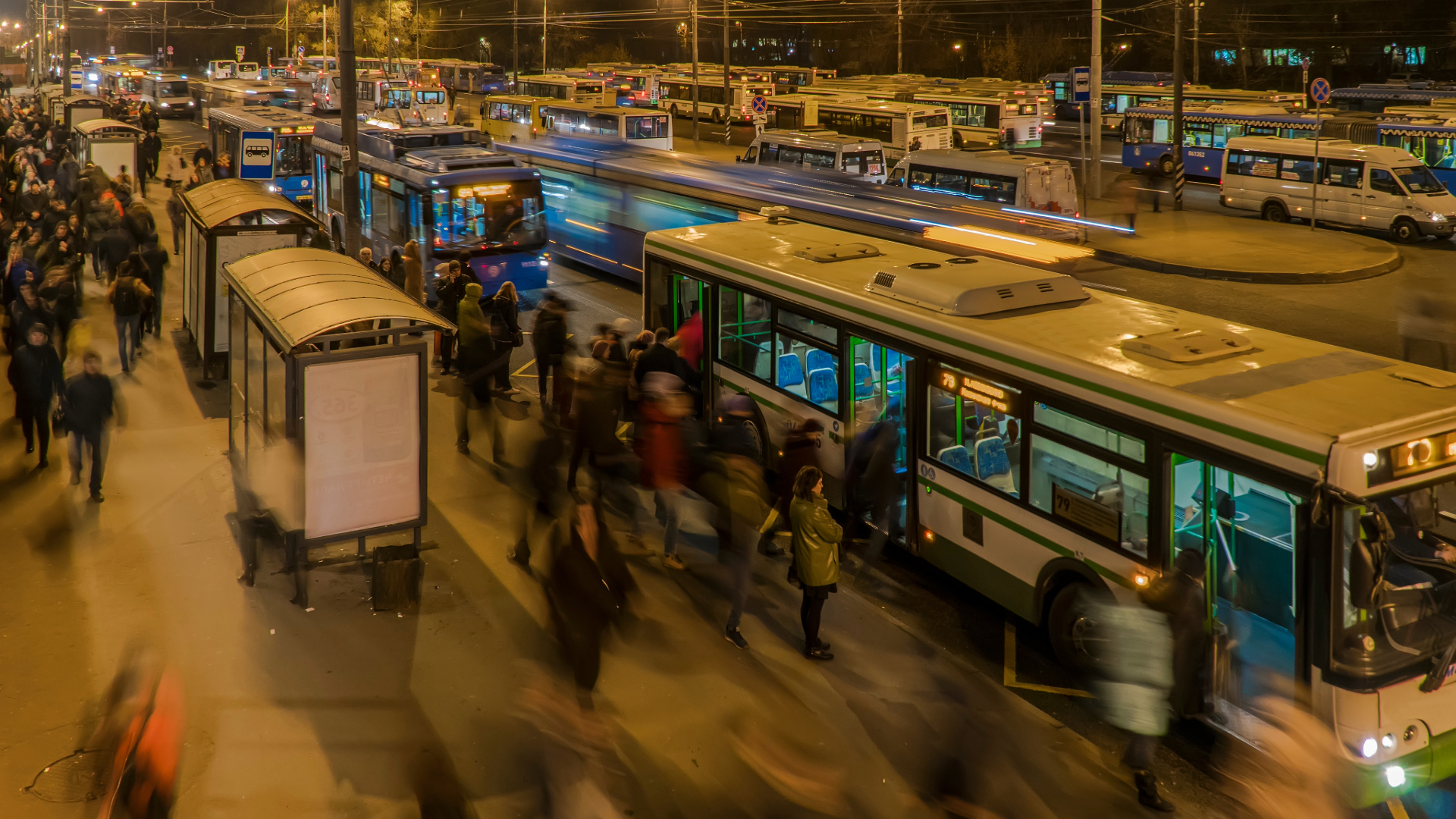
From global sporting events to international festivals, large-scale events bring excitement, economic opportunity, and immense operational complexity.
Whether it’s the Olympics, a World Expo, or the upcoming FIFA World Cup 2026, one challenge remains constant for large events:
Managing large-scale crowds.
While infrastructure, logistics, and security often take center stage in planning, one critical factor that is often underestimated is customer service.
Large-scale events fundamentally change how pockets of cities temporarily operate. In a condensed period, host locations experience:
- Dramatic surges in population density
- Overloaded transportation systems
- High volumes of unfamiliar visitors
- Heightened emotions and expectations from event attendees
For attendees, navigating a crowded event can be overwhelming and daunting. This is even more so for tourists who do not speak the local language or understand the city’s network. For staff, managing these conditions requires quick thinking, clear communication, confidence under pressure, and emotional regulation.
This is where customer service becomes more than a “soft skill”. Customer service in large-scale events is operationally essential.

FIFA 2026: A Defining Example
The FIFA World Cup 2026 will be the largest in history, with 48 teams competing across 16 cities in Canada, the United States, and Mexico. The tournament is expected to draw millions of international visitors and place unprecedented pressure on host city infrastructure. For transit agencies and public-facing services, this major event will serve as a remarkable operational challenge.
While much of the focus is on stadiums and matches, the real test for host cities will happen in everyday spaces:
- Transit systems
- Stations and terminals
- Tourist attractions and metropolitan hubs
These are the environments where visitors will form their impressions and where customer-facing staff will manage the highest volume of interactions. In a sense, staff become ambassadors of their city at these events.
To meet this demand, cities will rely heavily on temporary and seasonal workers. In fact, FIFA 2026 is expected to generate hundreds of thousands of jobs across North America, with each host city hiring hundreds, if not thousands, of additional staff.
These workers will fill critical frontline roles:
- Customer service representatives and ambassadors
- Transit and city wayfinders
- Event and crowd support staff
- Volunteers and contracted personnel
Many of these individuals will have limited experience in customer-facing roles and managing crowds, yet they will be expected to navigate language barriers, manage frustrated or confused event goers, handle overcrowded areas, and represent their city on a global stage.
At scale, small interactions have big consequences. Simple customer interactions like giving directions, answering questions, and managing delays can quickly escalate when crowds are dense, emotions are high, and visitors are unfamiliar with city systems.
A single unclear direction, delayed response, or poorly handled interaction can:
- Slow down crowd movement
- Increase congestion
- Escalate frustration or conflict
- Strain already busy systems
Conversely, strong customer service can:
- Turn confusion into clarity
- Reduce conflict before it escalates
- Improve passenger flow through better communication
- Enhance the overall perception of safety and organization
Events like FIFA 2026 are temporary but the global impressions they leave are not.
For many visitors, their experience in transit systems, public spaces, and everyday interactions will define how they remember a city and can establish credibility for other major events to also consider hosting.
Large-scale events are often judged by attendance numbers, economic impact, or broadcast reach but on the ground, success is measured differently. Operational success is measured in how easily people move, how safe they feel, and how they are treated along the way.
For large-scale events like the upcoming FIFA World Cup, customer service won’t be just additional support—it will be the backbone of the entire event experience.
Click here to explore Transit Ambassador’s Transit Customer Service Program.