
Public transit is the backbone of thriving communities but the industry is facing a workforce crisis. High turnover, operator shortages, and safety concerns are stretching agencies thin. While infrastructure investments get the headlines, the reality is this: the future of transit depends on its people.
At Transit Ambassador, our mission is to ensure that frontline staff — the bus operators, trainers, and supervisors who interact with riders daily are equipped to succeed.
The Workforce Challenges Facing Transit Agencies
- Attrition and retirement – Many agencies face a wave of retirements and struggle to retain new hires.
- Operator shortages – Recruiting is costly, and training takes time; losing operators means service gaps.
- Rising customer expectations – Riders demand safety, reliability, and positive interactions.
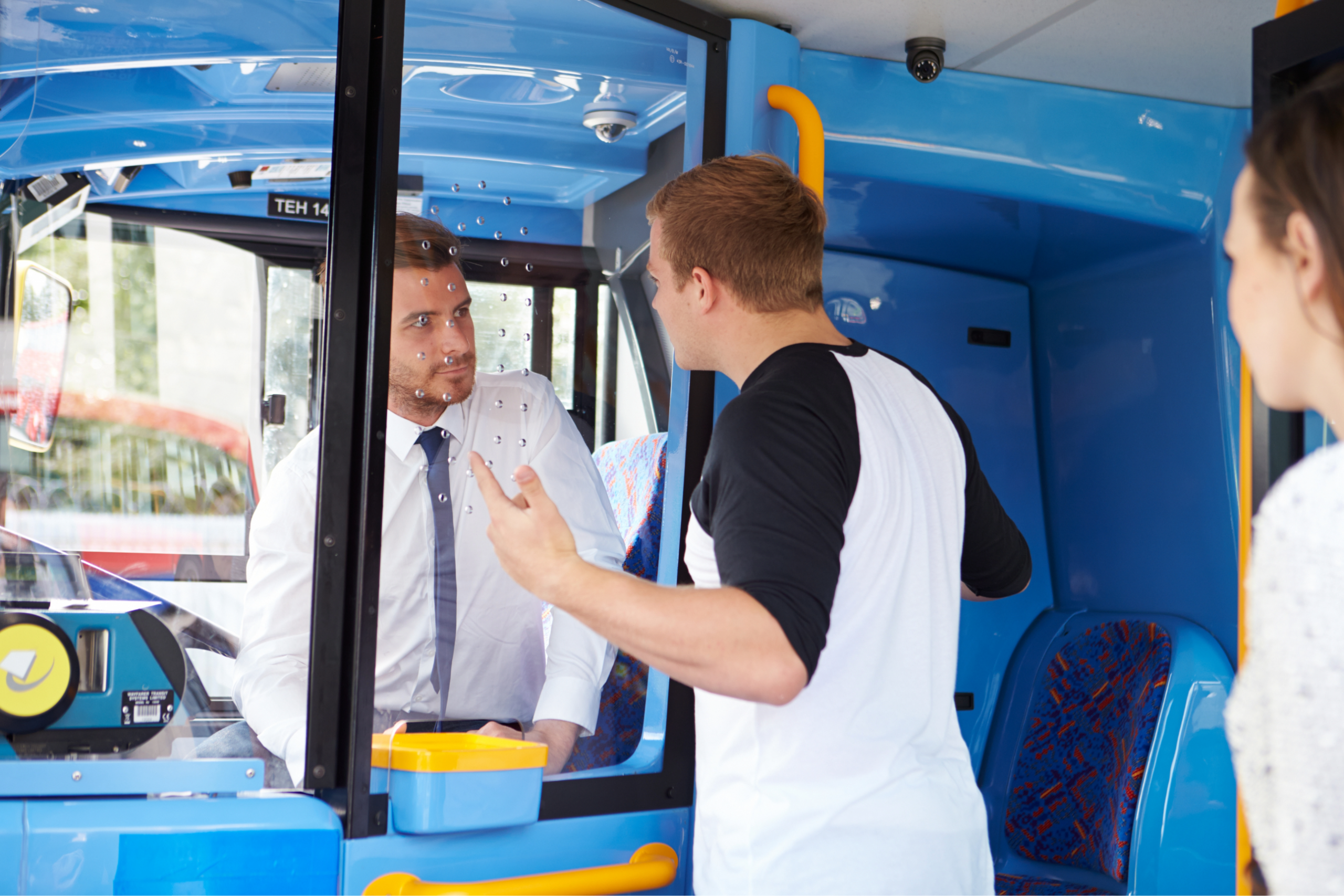
- Workplace stress – Frontline staff face verbal abuse, conflict, and challenging working conditions.
Why Training is the Key
Workforce development isn’t only about recruitment, it’s about retention and performance. Agencies that invest in their people see tangible benefits:
- Reduced turnover by improving job satisfaction.
- Stronger safety outcomes through awareness and preparedness.
- Happier riders thanks to empathetic, well-trained staff.
The Transit Ambassador Program offers a train-the-trainer model that scales, so one investment multiplies across an entire workforce.
The Train-the-Trainer Advantage
Instead of one-off workshops, this model empowers internal trainers to carry the message forward, embedding a culture of service and safety into the organization. The result is a sustainable improvement in:
- Customer empathy – Addressing rider concerns with professionalism.
- Conflict resolution – Diffusing tense situations before they escalate.
- Safety awareness – Creating a secure environment for passengers and staff alike.
Looking Ahead
As agencies prepare for the future, it’s clear that workforce development will be just as important as zero-emission buses or new technology. After all, riders don’t interact with a fleet, they interact with people.
Agencies that act now will:
- Improve employee morale and retention.
- Rebuild public trust in transit services.
- Create resilient, rider-first organizations.
Your Next Step
The future of transit is being written today — and it starts with your workforce. Equip your staff with the tools they need to succeed.
👉 Learn how the Transit Ambassador Program can help your agency reduce complaints, strengthen staff engagement, and create a customer-first culture that lasts.