
The Transit Workforce Crisis No One Can Ignore
Across the United States, a growing number of transit agencies are confronting an urgent reality: there aren’t enough trained people to keep systems running.
According to the APTA Workforce Shortage Synthesis Report (2023),
- 96% of agencies reported workforce shortages,
- 43% of current transit employees are over 55, and
- 24% of all resignations are due to retirements.
It’s not just about recruitment — it’s about retention. Applicants reject transit agency offers 35% of the time, twice the national rate, and frontline employees cite schedule inflexibility and lack of supervisor support as key reasons they leave.
The message is clear: transit’s greatest challenge in 2025 isn’t infrastructure—it’s people.
What’s Driving the Workforce Shortage
Three major forces are converging to create a “perfect storm” for transit workforce instability:
1. A Generational Wave of Retirements
The baby-boom generation of operators, mechanics, and schedulers is retiring at record pace. Institutional knowledge is walking out the door faster than agencies can replace it.
2. Rising Stress and Burnout
Frontline workers are facing greater passenger aggression, pandemic aftershocks, and complex service demands. These stressors increase absenteeism and turnover, directly affecting service reliability.
3. A Skills Gap in Modern Transit Operations
Today’s transit environment requires data literacy, digital tools, and customer engagement skills — areas many legacy training models overlook.
“Workforce development is not optional anymore — it’s the foundation of reliable transit.”
— [Mark Molinero, Administrator of the Federal Transit Administration]
Why Traditional Training Isn’t Enough
Historically, many agencies relied on generic onboarding programs or vendor-supplied training. While useful for compliance, they rarely address the unique customer-facing, safety, and operational realities of transit work.
Transit is unlike any other industry. Operators must:
- Drive large commercial vehicles safely,
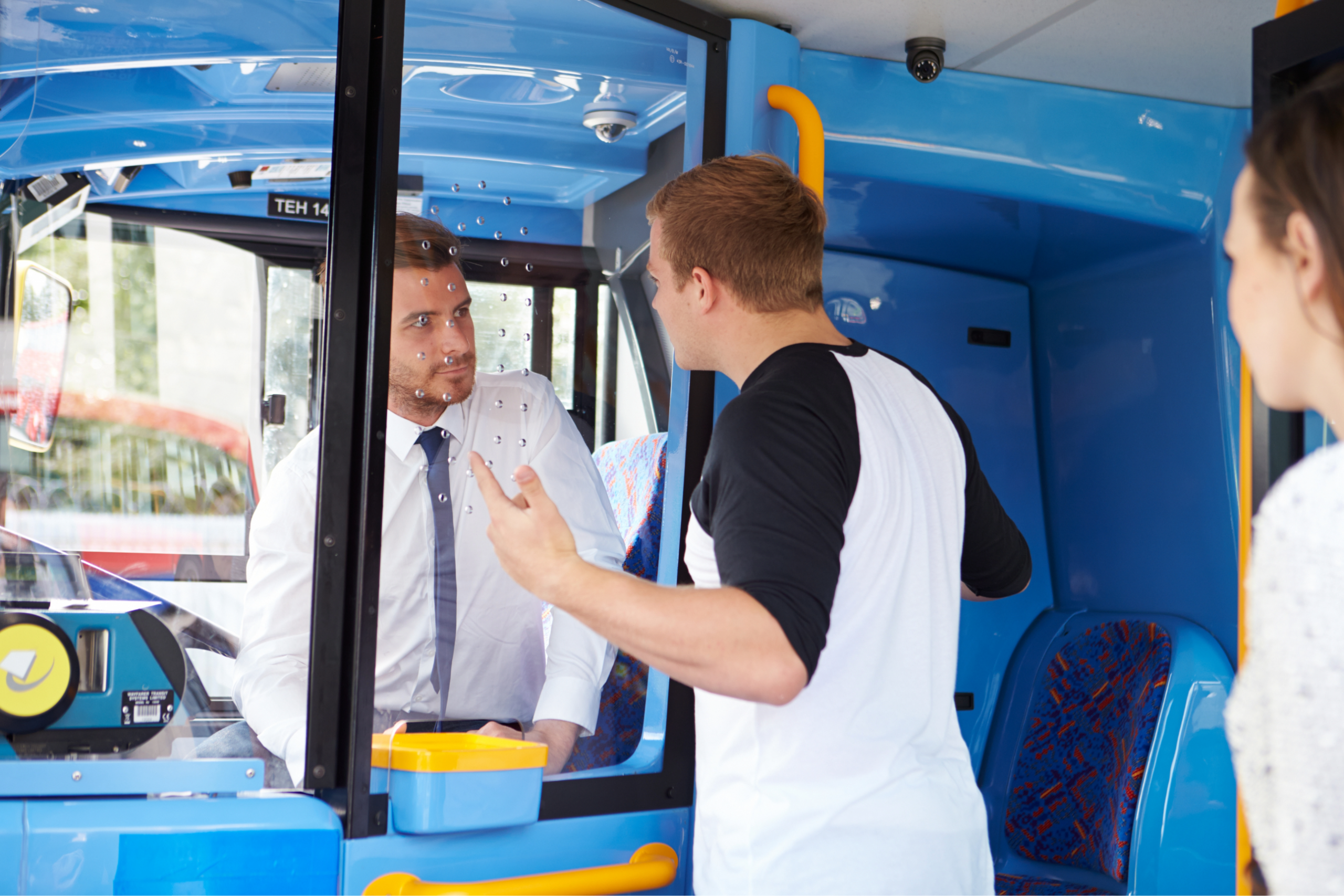
- Manage fare disputes or rider aggression,
- Maintain customer satisfaction, and
- Represent their agency every minute of the day.
This combination demands specialized, transit-specific workforce development — not one-size-fits-all instruction.
A Smarter Solution: Train the Trainers, Build the Culture
That’s where CUTA’s Transit Ambassador Program comes in.
Developed by the Canadian Urban Transit Association (CUTA) — North America’s oldest transit training body — Transit Ambassador is an immersive, five-day, in-person “train-the-trainer” program designed for supervisors, trainers, and managers.
Participants learn to deliver training that emphasizes:
- Customer service and empathy,
- Conflict management and de-escalation,
- Communication and passenger engagement, and
- Leadership development for frontline staff.
By empowering internal trainers, the program creates a self-sustaining training culture within each agency — so learning becomes part of daily operations, not an occasional workshop.
“Transit Ambassador helped our supervisors reconnect with the human side of transit. It’s not just about driving — it’s about how we serve people.”
— Metra Training Participant, Chicago, IL
Case Study: Training That Improves Retention
Take Long Beach Transit (LBT) in California. Faced with turnover and morale issues similar to agencies nationwide, LBT restructured its training to emphasize cross-department collaboration. Supervisors began “training operators bumper to bumper” — building respect between maintenance and operations teams.
The result?
- Increased employee satisfaction
- Reduced operator anxiety
- Clearer career pathways within the organization
This approach echoes Transit Ambassador’s core philosophy: training isn’t just education — it’s culture-building.
From Canada’s Proven Model to the U.S. Workforce Revolution
For over 30 years, CUTA has been delivering industry-led training across Canada — from technical scheduling to customer service and zero-emission fleet deployment.
Now, CUTA is expanding these proven programs to the U.S. market, beginning with Transit Ambassador as the flagship. The initiative is designed to help agencies:
- Strengthen recruitment pipelines
- Improve retention and morale
- Build customer-centric service models
- Reduce complaints and incidents
And unlike vendor programs or classroom-only modules, Transit Ambassador’s train-the-trainer structure ensures ongoing ROI long after the initial session ends.
The Bottom Line: Building the Workforce Transit Deserves
Transit agencies can’t afford to delay workforce investment. The system of the future — electrified, data-driven, and customer-focused — requires people who are trained, supported, and proud of their role.
Agencies that lead in workforce development will lead in reliability, public trust, and long-term sustainability.
Ready to invest in your team’s future?
Explore how CUTA’s Transit Ambassador Program supports long-term workforce growth and frontline success.