
Quick Answer
Transit ambassadors support safer, more welcoming systems by providing visible assistance, clear communication, conflict-prevention support, and a calm human presence in public spaces. While ambassadors are not a replacement for safety or security teams, they can help reduce confusion, support rider confidence, and guide issues to the right resource.
Welcoming systems are easier to trust
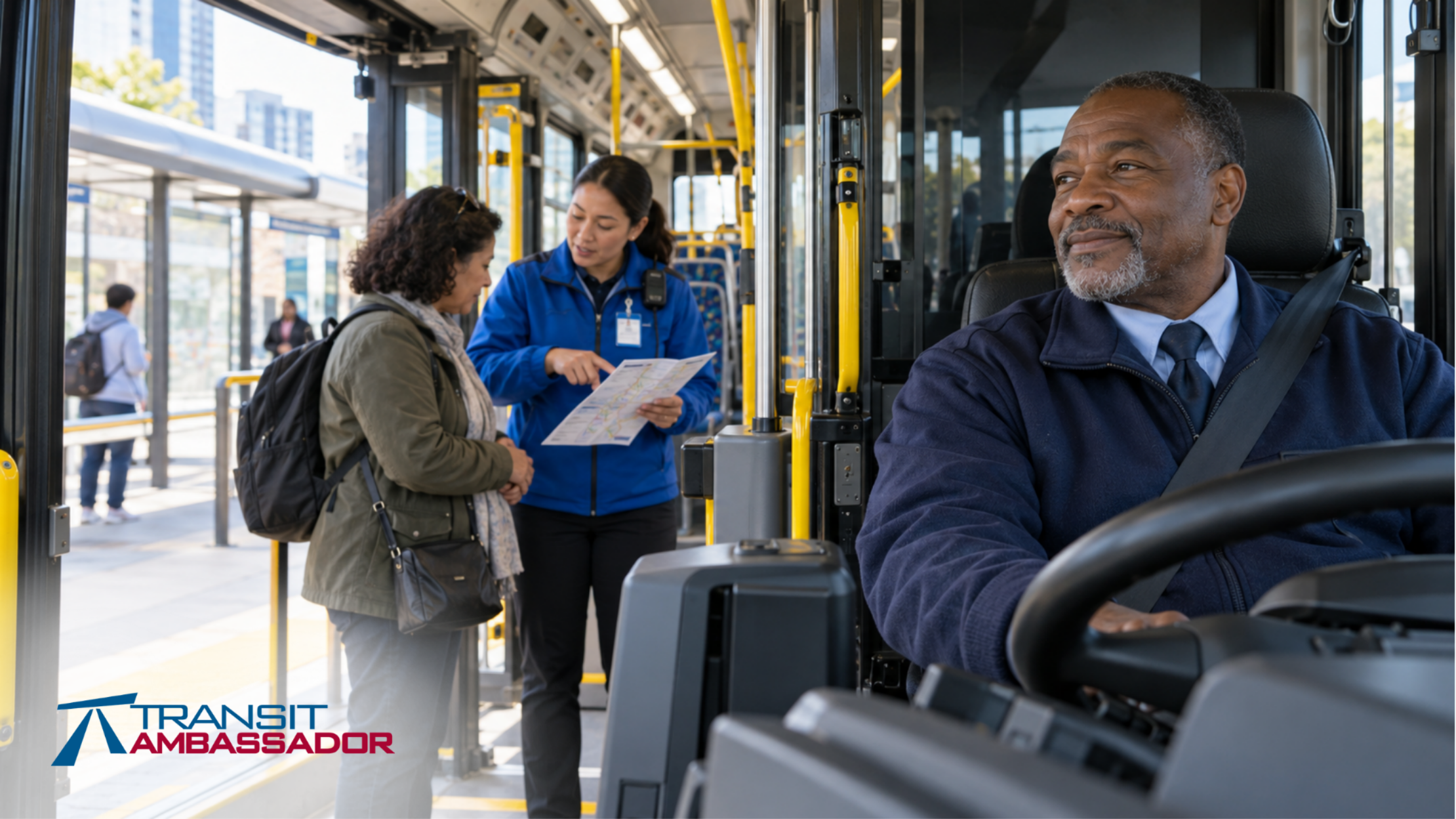
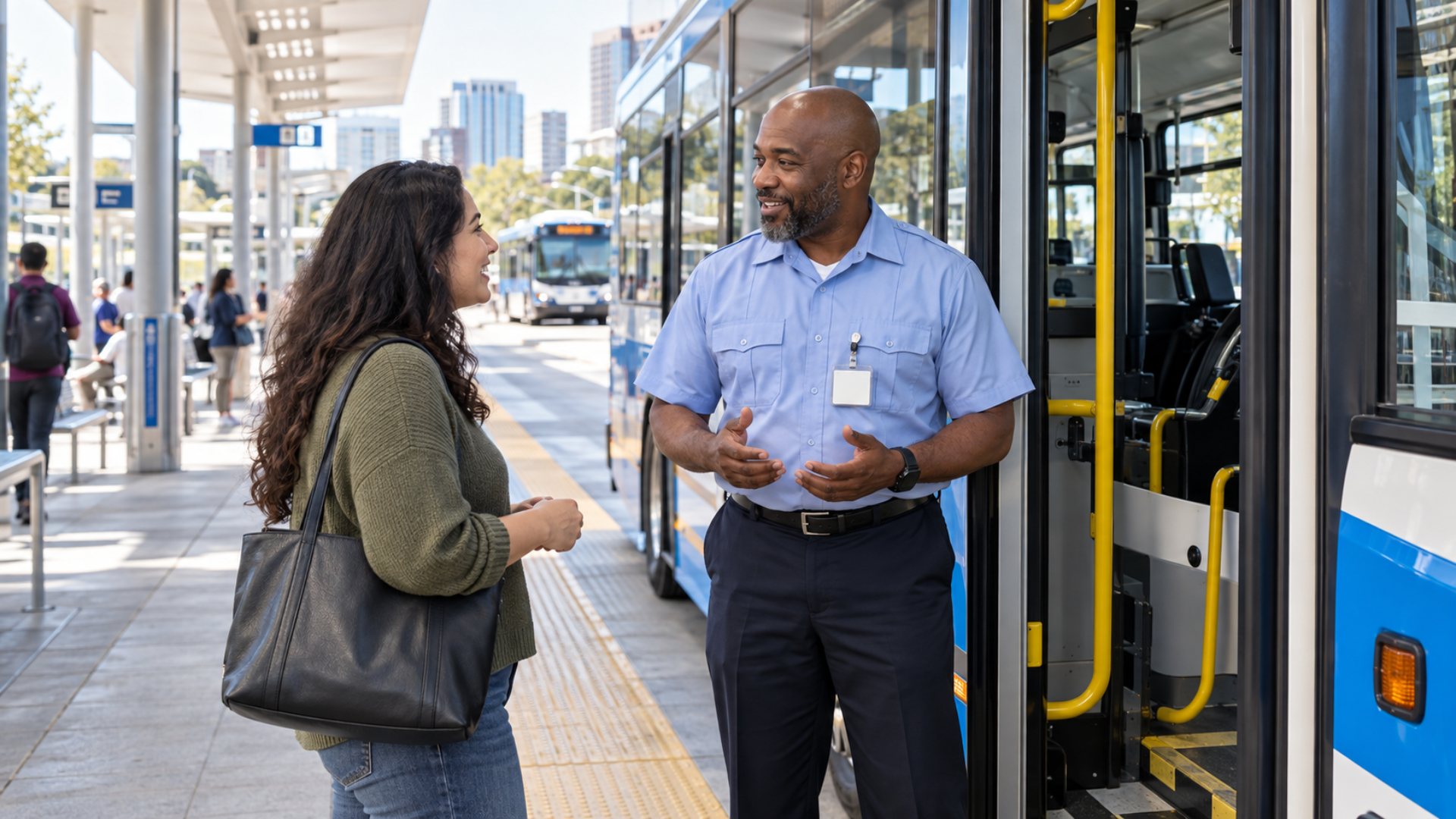
Safety in public transportation is not only about incidents. It is also about perception, clarity, and confidence. Riders want to know where to go, what to do, who can help, and whether the system is paying attention to their experience. A visible ambassador presence can make a station, stop, transfer area, or event environment feel more supported.
That sense of support matters for everyday riders, visitors, older adults, riders with disabilities, students, families, and anyone navigating unfamiliar service. When riders can quickly identify someone who can help, the system feels more approachable. Ambassadors add a human support layer. Transit systems already involve many specialized roles, including operators, supervisors, maintenance teams, safety personnel, customer service teams, and security partners. Ambassadors do not replace those roles. They complement them by focusing on communication, wayfinding, education, and customer support. This human layer can be especially useful in high-traffic areas or moments of change. Ambassadors can help riders understand detours, locate boarding areas, use updated fare tools, find accessible routes, or connect with additional resources.
A calm presence can prevent small issues from escalating
Confusion and frustration can escalate quickly in public settings. A rider who cannot find information may become upset. A fare misunderstanding may turn into a conflict. A crowded event may create anxiety. Trained ambassadors can help by responding early with calm, respectful communication.
Federal and industry safety resources increasingly recognize de-escalation as one component of a broader safety approach. Ambassador programs can support that environment when their role, training, and escalation protocols are clearly defined.
Welcoming does not mean passive
A welcoming transit environment is not one where every issue is ignored. It is one where expectations are clear, information is accessible, and people know how to get help. Ambassadors can reinforce agency rules and guidance in a customer-centred way, while knowing when to involve supervisors, safety staff, or security. This balance is important. Ambassadors should be trained to stay within their role, avoid unnecessary confrontation, and use communication strategies that prioritize clarity and respect.
What agencies should consider when designing the ambassador job descriptions
To support safer, more welcoming spaces, ambassador roles need structure. Agencies should define deployment locations, common scenarios, communication scripts, escalation pathways, training standards, data collection methods, and expectations for coordination with other teams. When done well, transit ambassadors can enhance the rider experience and support the agency’s broader safety, accessibility, and trust-building goals.
What this means for transit agencies
For transit leaders, the takeaway is clear: rider experience, workforce support, communication, and public trust are connected. When agencies invest in practical frontline support, they are not only improving individual interactions. They are building a stronger foundation for service quality, agency reputation, and long-term confidence in public transportation.
FAQs
Do transit ambassadors improve safety?
Transit ambassadors can support safety perception and conflict prevention by providing visible help, clear information, early communication, and deter troublesome behaviour. They should work within a broader safety strategy, not replace security or emergency response roles.
What makes a transit system feel welcoming?
A welcoming transit system feels understandable, accessible, respectful, and supported. Riders know where to go, how to get help, and what to expect during their trip.
Where should ambassadors be deployed?
Ambassadors are often most useful at transfer points, busy stations, service disruption areas, special events, accessibility touchpoints, and locations where riders frequently need assistance.
If your agency wants to make public transportation feel easier to navigate and more welcoming, CUTA’s Transit Ambassador customer service program can help support the design of a frontline support model around the rider moments that matter most.