
Quick Answer
Rider experience matters because public transportation is evaluated not only by whether service exists, but also by how easy, safe, clear, and respectful it feels to use. When agencies improve the rider experience, they strengthen public trust, reduce friction, support accessibility, and create a more reliable perception of the system.
Riders Remember How the System Feels
Public transportation journeys can leave lasting emotional impressions on riders. People remember whether they felt confused, rushed, dismissed, unsafe, or lost. They also remember whether they could find help when plans changed and whether the information they received was clear enough to act on.
That experience shapes how riders talk about the system, whether they perceive their public transit service as trustworthy and reliable, and how likely they are to continue using it when they have a choice.
For transit agencies, rider experience is part of operational credibility. Every interaction between a rider and a frontline employee can influence how the public evaluates the agency’s service, professionalism, and responsiveness.
Transit-specific customer service training can help frontline employees develop the communication, conflict-management, and passenger-support skills needed to create more consistent rider interactions. Transit Ambassador’s Customer Service program is designed specifically for operators, supervisors, leaders, and other transit professionals.
A Better Rider Experience Can Reduce Avoidable Friction
Many rider frustrations come from small points of friction stacking up, including:
- Unclear instructions
- Hard-to-find information
- Inconsistent messaging
- A lack of visible assistance
- Uncertainty during disruptions
- Confusing fare or transfer procedures
- Difficulty finding accessible routes or accommodations
Each small hurdle in a passenger’s journey can reduce rider confidence.
Public trust is built through repeated experiences. When riders consistently encounter clear communication, respectful assistance, and visible support, they are more likely to view the agency as responsive and reliable.
When riders repeatedly feel confused or unsupported, trust can decline even when the agency is working hard behind the scenes.
Recurring points of friction can also become recurring complaints. Agencies evaluating this issue can explore how consistent communication, coaching, and frontline training may help reduce transit customer complaints.
Human-Centered Service Connects Operations to the Rider
This is why human-centered service matters.
Agencies can invest in technology, vehicles, stations, fare systems, and digital platforms, but riders still need to understand how to use them. Technology can provide information, but it does not always address the uncertainty or stress a rider may experience in the moment.
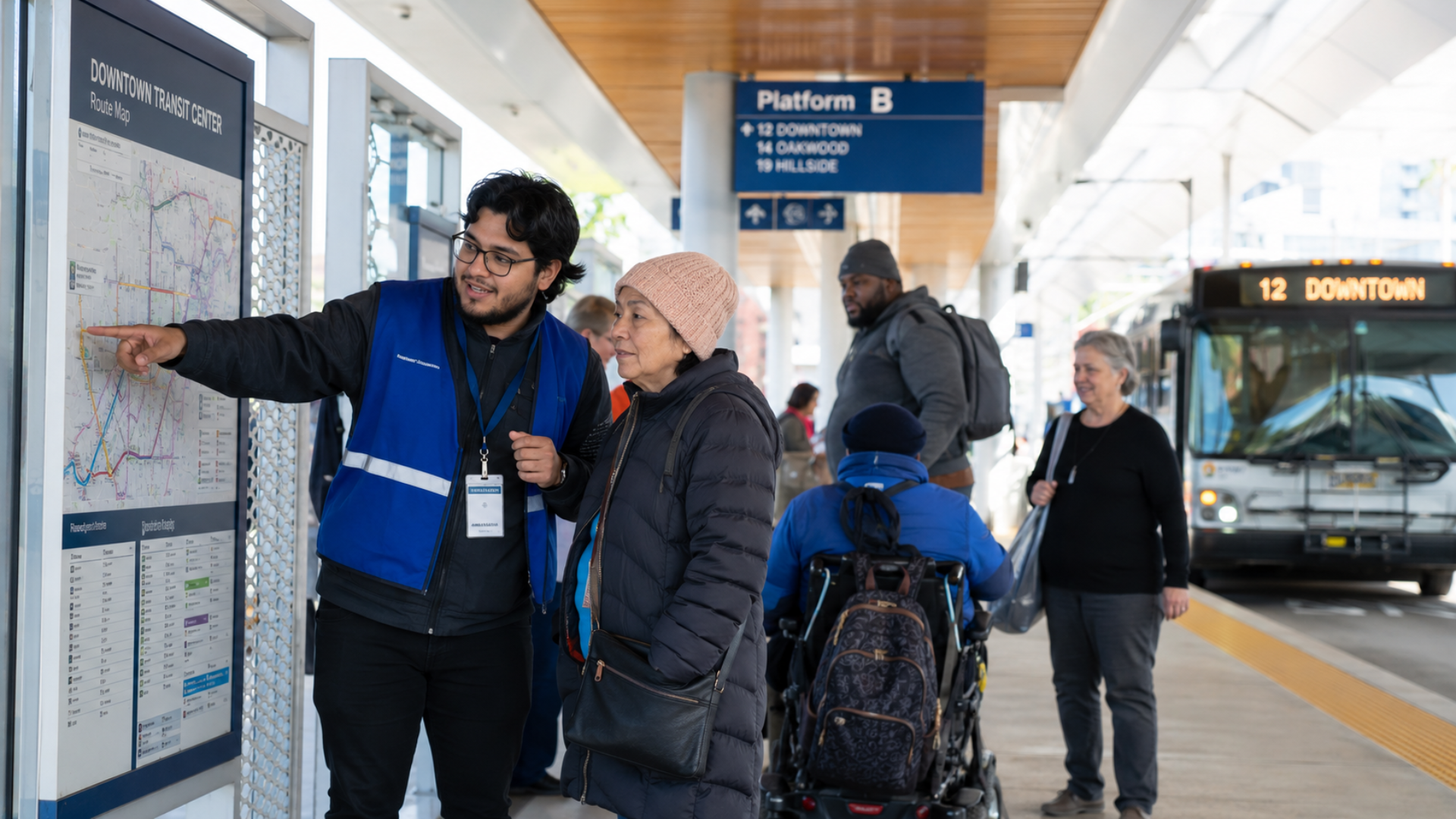
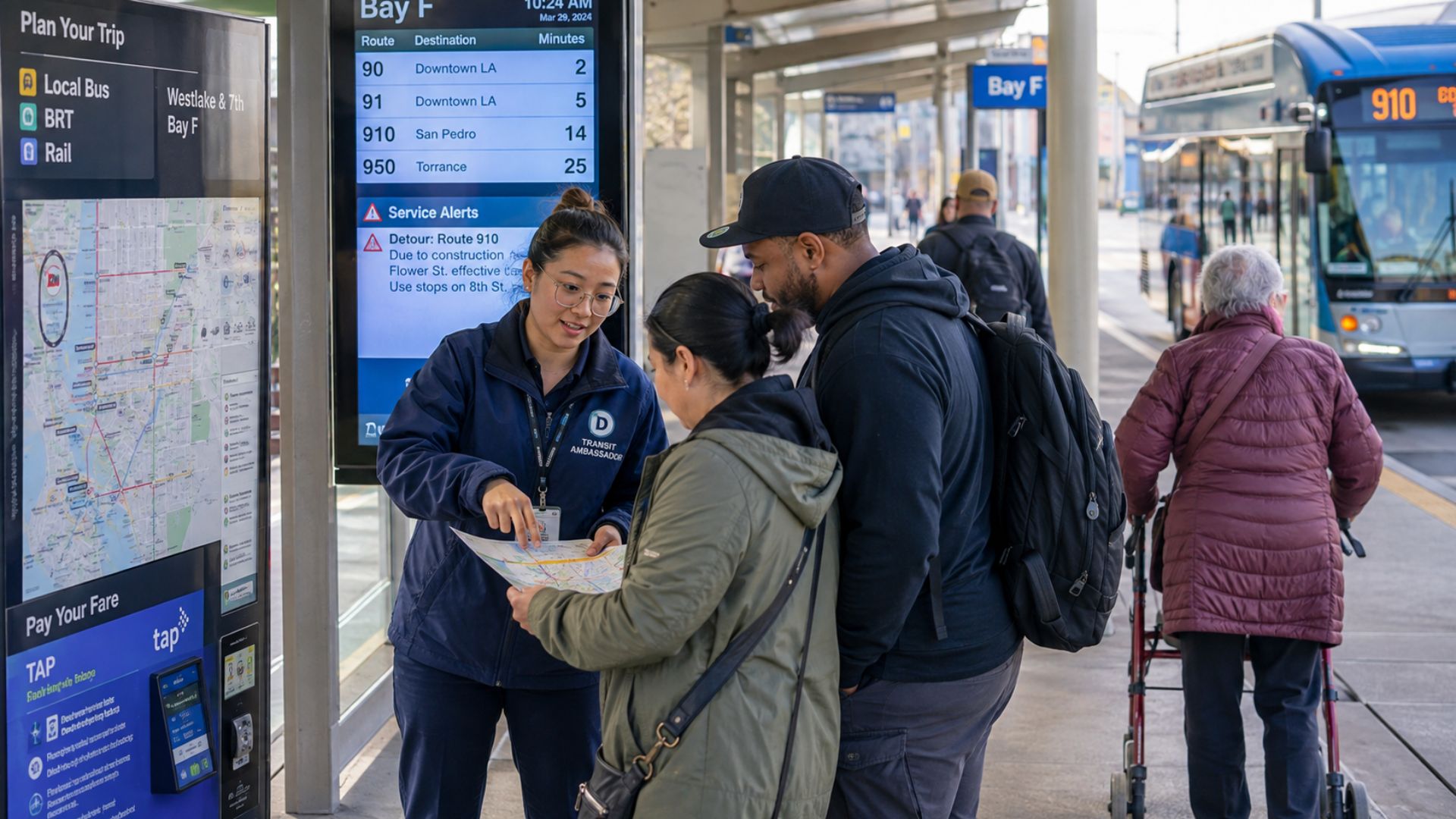
Transit customer service attendants or ambassadors can help agencies address these moments by providing support where confusion happens.
A clear answer at the right time can:
- Prevent a complaint
- Reduce rider stress
- Clarify agency expectations
- Support accessibility
- Improve wayfinding
- Help a rider continue the trip with greater confidence
A structured transit ambassador program can add a visible human support layer in stations, transfer points, service-disruption areas, special events, and other locations where riders frequently need assistance.
Ambassadors do not replace operators, supervisors, safety personnel, security teams, or emergency responders. They complement those roles by focusing on communication, wayfinding, education, conflict prevention, and customer support.
The human layer helps connect operational investment to everyday rider confidence.
Clear Communication Can Prevent Escalation
Rider experience can deteriorate quickly when confusion turns into frustration.
A service disruption, fare disagreement, missed connection, accessibility concern, or unclear instruction can become a more difficult interaction when riders do not know what is happening or where to get help.
Frontline employees who are prepared to communicate calmly and clearly can often address concerns before they escalate. They can acknowledge the rider’s concern, explain available options, reinforce expectations, and involve the appropriate resource when additional support is needed.
Transit-specific de-escalation training can help employees recognize warning signs, communicate effectively under pressure, assess risk, and disengage safely when necessary. These skills support both passenger experience and employee well-being.
Agencies planning a wider implementation can also review guidance on implementing de-escalation training systemwide.
How Agencies Can Make Rider Experience More Strategic
Improving rider experience does not require agencies to solve every challenge at once.
A strong starting point is identifying the moments where riders most often need help. These may include:
- First-time use
- Service disruptions
- Transfers
- Fare questions or disputes
- Accessibility accommodations
- Special events
- High-traffic stations
- High-stress interactions
- New technology or fare-system rollouts
- Temporary boarding or route changes
From there, agencies can align communication, signage, digital information, employee training, and frontline support.
The goal is to make the system easier to understand and more consistent across each touchpoint.
Agencies should also examine whether operators, supervisors, ambassadors, station teams, and customer service employees have the right tools for their respective roles. Different employees face different rider interactions, so training should reflect the practical situations each group encounters.
A broader portfolio of role-specific transit training programs can help agencies align customer experience with workforce development, operations, safety, planning, and employee support.
Rider Experience Is Also a Workforce Strategy
A strong rider experience depends on employees who feel prepared, supported, and confident.
Frontline workers frequently manage the emotional side of transit service. They answer questions, communicate during delays, respond to complaints, assist riders with accessibility needs, and manage difficult situations in public-facing environments.
When employees receive practical training and clear escalation procedures, they are better positioned to provide consistent service without being expected to solve every issue alone.
This connection between workforce support and passenger service is explored further in the article on transforming transit customer experience through customer service and de-escalation training.
What This Means for Transit Agencies
For transit leaders, the takeaway is clear: rider experience, workforce support, communication, and public trust are connected.
When agencies invest in practical frontline support, they are not only improving individual interactions. They are building a stronger foundation for:
- Service quality
- Rider confidence
- Employee preparedness
- Accessibility
- Safety culture
- Agency reputation
- Long-term trust in public transportation
A positive rider experience is not created by one department or one initiative. It is the result of clear systems, prepared employees, accessible information, and consistent support across the rider journey.
Frequently Asked Questions
What does rider experience mean in public transportation?
Rider experience refers to how people feel and function while using public transportation. It includes ease of navigation, clarity of information, accessibility, safety perception, customer service, comfort, reliability, and trust.
Why should transit agencies prioritize rider experience?
Agencies should prioritize rider experience because it influences satisfaction, complaints, public trust, agency reputation, and a rider’s willingness to continue using the system.
How can transit frontline staff improve rider experience?
Transit staff can improve rider experience by answering questions, communicating clearly, helping riders navigate service changes, providing visible support, reinforcing expectations respectfully, and reducing confusion at key points in the journey.
How can transit ambassadors support rider experience?
Transit ambassadors can provide wayfinding assistance, service information, fare guidance, accessibility support, and calm communication in locations where riders frequently need help. They complement existing operations, customer service, safety, and security roles.
Can customer service training reduce rider complaints?
Customer service training can help employees address common points of confusion, communicate more consistently, and manage difficult interactions more effectively. For lasting results, training should be reinforced through coaching, clear standards, and ongoing employee development.
Build a More Customer-Focused Transit System
A better rider experience begins with employees who have the skills, support, and confidence to serve the public effectively.
Contact the Transit Ambassador team to discuss customer service training, de-escalation, train-the-trainer delivery, course pricing, and program customization for your agency.