Quick Answer
Transit workforce burnout is driven by staffing pressure, public-facing stress, schedule demands, safety concerns, and repeated customer conflict. Agencies can reduce burnout risk by improving communication support, strengthening training, clarifying escalation pathways, and using ambassador programs to reduce pressure on operators and frontline teams.
Burnout is not just an employee issue
Burnout in transit affects more than individual workers. It can influence service consistency, morale, retention, rider interactions, absenteeism, and public perception. When frontline teams are stretched, every part of the rider experience can feel the impact.
Transit employees work in high-pressure environments where they are expected to keep service moving, respond to the public, follow safety procedures, manage schedule realities, and handle unexpected situations. Over time, that pressure can become difficult to sustain without the right support systems.
What causes burnout in frontline transit environments
Burnout can come from many sources: staffing shortages, long shifts, public-facing conflict, unclear rider communication, safety concerns, repetitive complaints, operational changes, and limited recovery time between stressful interactions. Operators and frontline teams may also become the first point of contact for issues they did not create and cannot fully solve.
This creates an emotional burden. A rider may be frustrated by a detour, fare issue, late bus, missed connection, or unclear policy. If no other support is available, frontline employees absorb the frustration directly.
For agencies strengthening their response to difficult interactions, the FTA De-Escalation Training Resource Directory provides resources to help develop, implement, and update training programs.
The hidden cost of burnout
Burnout can show up as turnover, disengagement, higher training needs, inconsistent service interactions, and lower morale. It can also increase the pressure on remaining employees, creating a cycle that becomes harder to correct.
For agencies, burnout is not only a workforce challenge. It is a service quality challenge. A supported workforce is more likely to communicate clearly, respond calmly, and represent the agency with confidence. A strained workforce may have fewer emotional reserves for difficult customer interactions.
The FTA Workforce Development Initiative offers resources and support to help transit agencies recruit, retain, and train their workforce.
How ambassador programs can reduce pressure
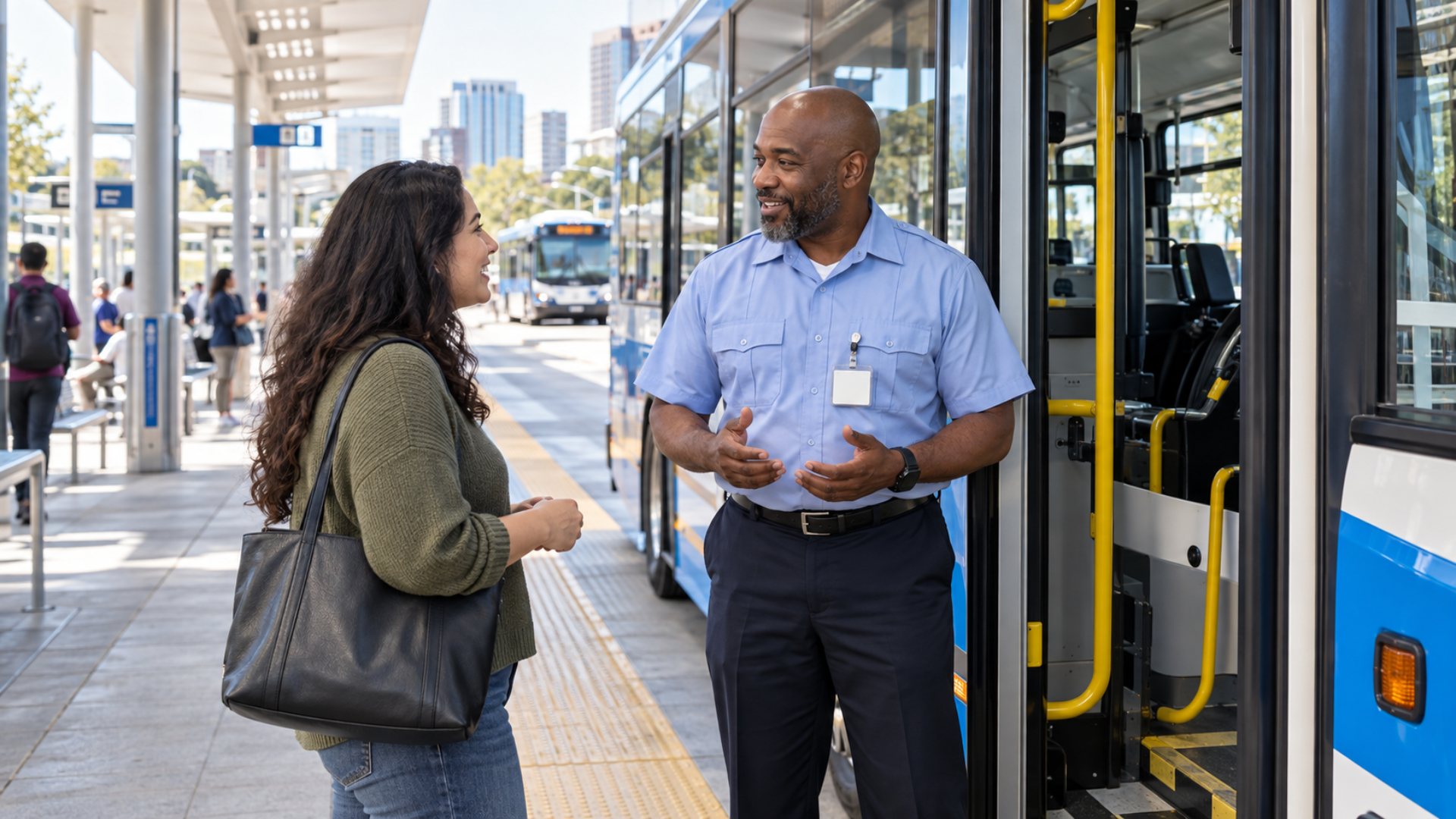
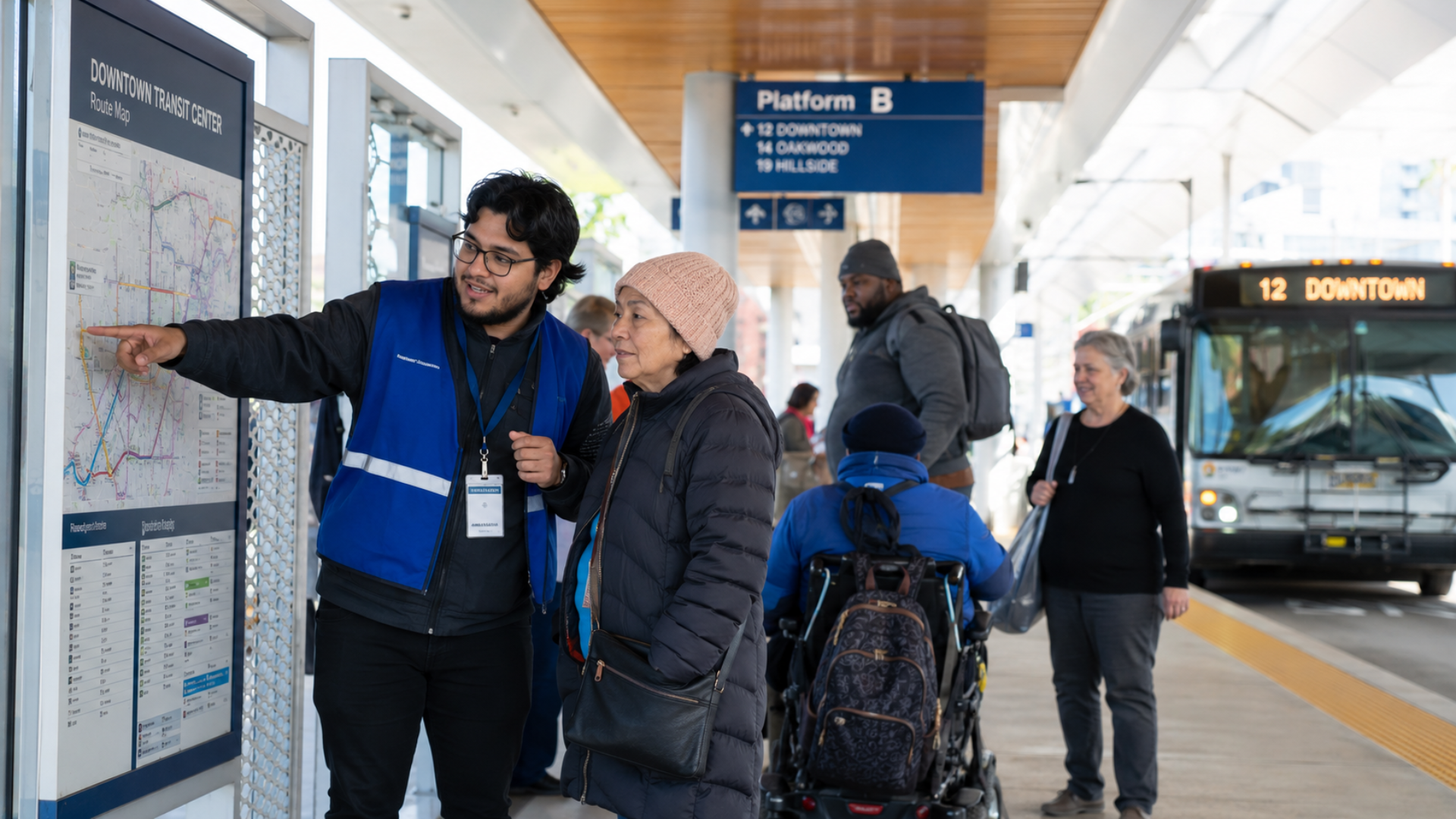
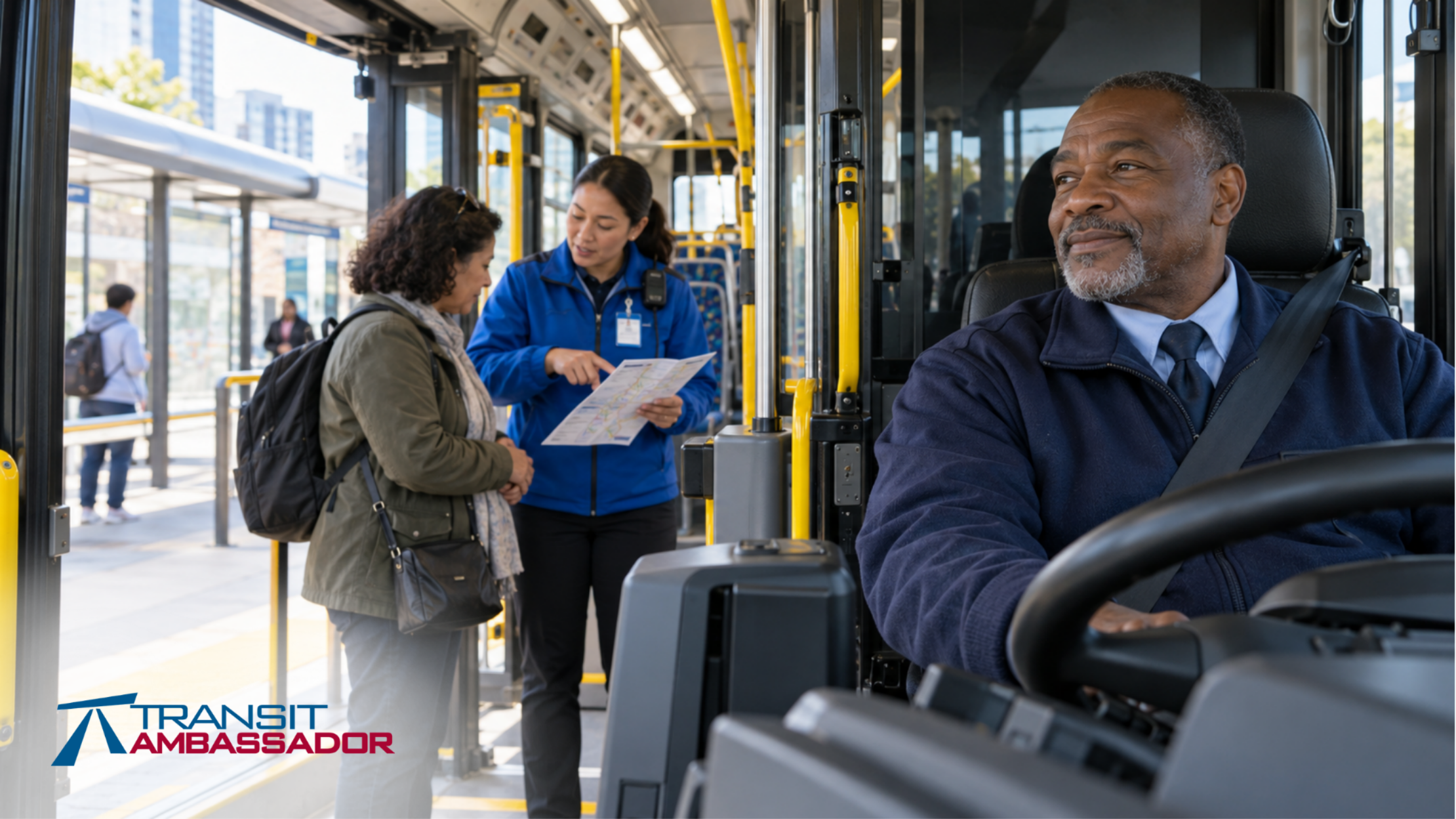
Transit ambassadors can help by taking on some of the rider-facing support that often falls to operators or other frontline teams. They can answer questions, guide riders during disruptions, explain service changes, and direct issues to the right resource. This helps operators focus on safe service delivery while giving riders another trained person to approach.
Ambassadors are not the only solution to burnout, but they can be part of a broader support strategy that recognizes how much customer-facing work happens in real time.
Practical solutions agencies can build into the strategy
Agencies can support workforce resilience by improving training consistency, clarifying escalation pathways, strengthening supervisor communication, improving rider-facing information, adding ambassador support in high-friction areas, and listening to frontline feedback.
Agencies reviewing their approach to conflict management can also consult the APTA Transit De-Escalation Policy and Training Recommended Practice.
The most effective approach is not one isolated program. It is a system of support that reduces unnecessary stress, improves role clarity, and gives frontline employees tools they can rely on when public-facing situations become difficult.
What this means for transit agencies
For transit leaders, the takeaway is clear: rider experience, workforce support, communication, and public trust are connected. When agencies invest in practical frontline support, they are not only improving individual interactions. They are building a stronger foundation for service quality, agency reputation, and long-term confidence in public transportation.
FAQs
What causes transit workforce burnout?
Common causes include staffing pressure, difficult customer interactions, schedule demands, safety concerns, repeated complaints, operational changes, and unclear support structures.
How does burnout affect public transportation service?
Burnout can affect morale, retention, service consistency, customer interactions, and the rider experience.
How can transit agencies reduce burnout?
Agencies can reduce burnout risk by improving training, communication, staffing support, escalation processes, and frontline assistance through roles such as transit ambassadors.
Call to Action
Transit Ambassador helps agencies think beyond customer service and build practical support around the people who keep transit moving every day.
Visit www.transitambassador.org to learn more.