Quick Answer
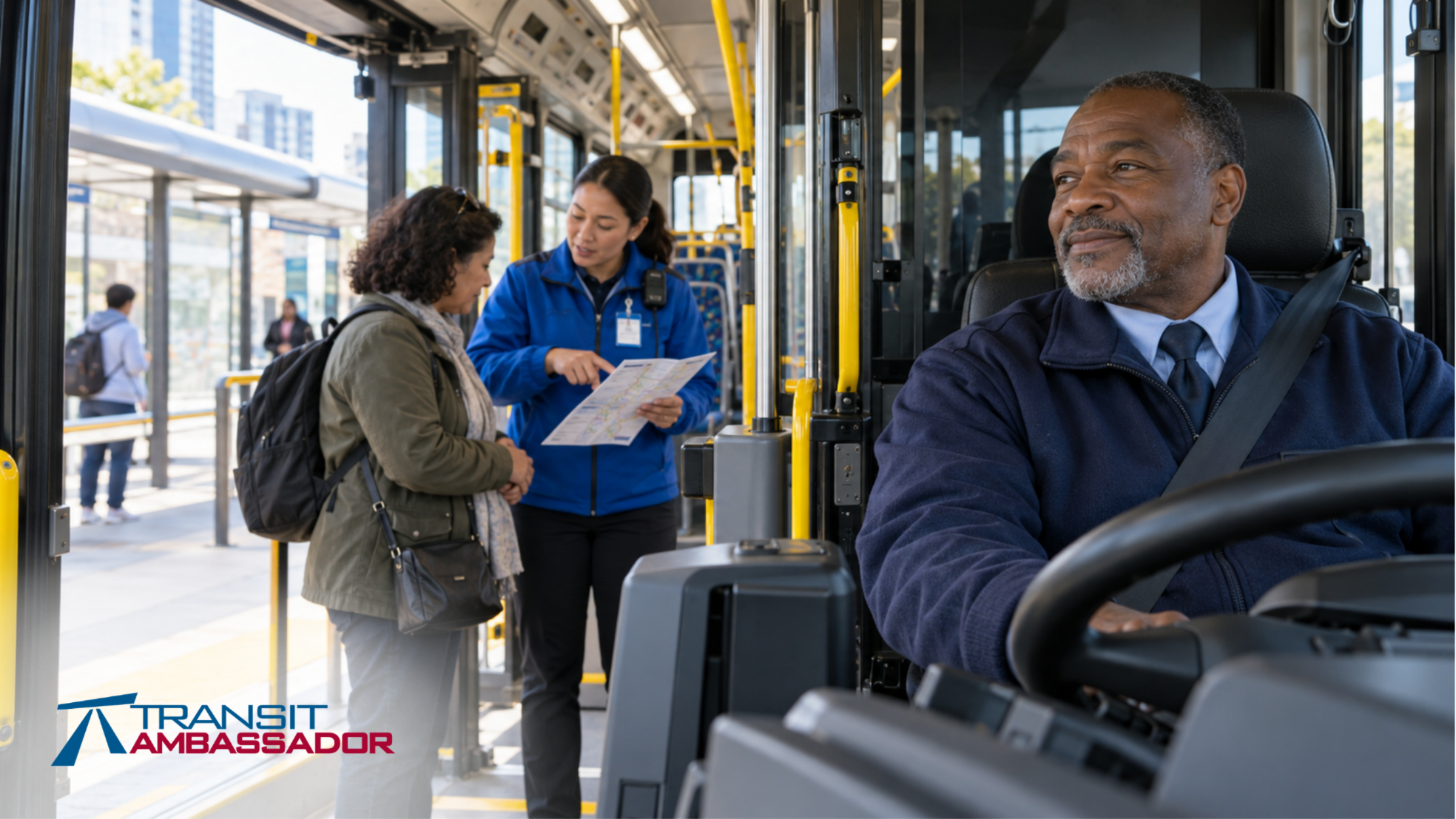
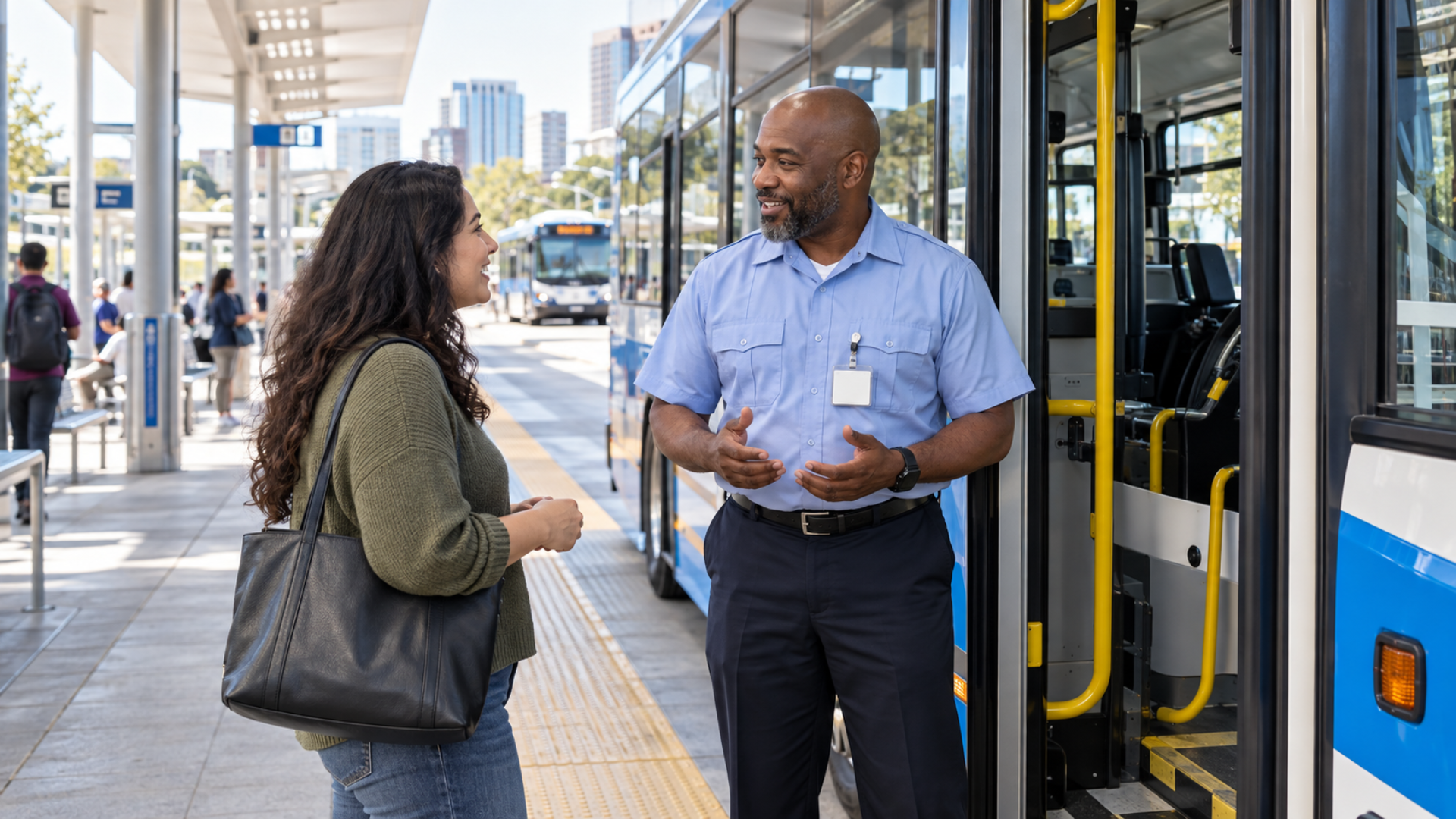
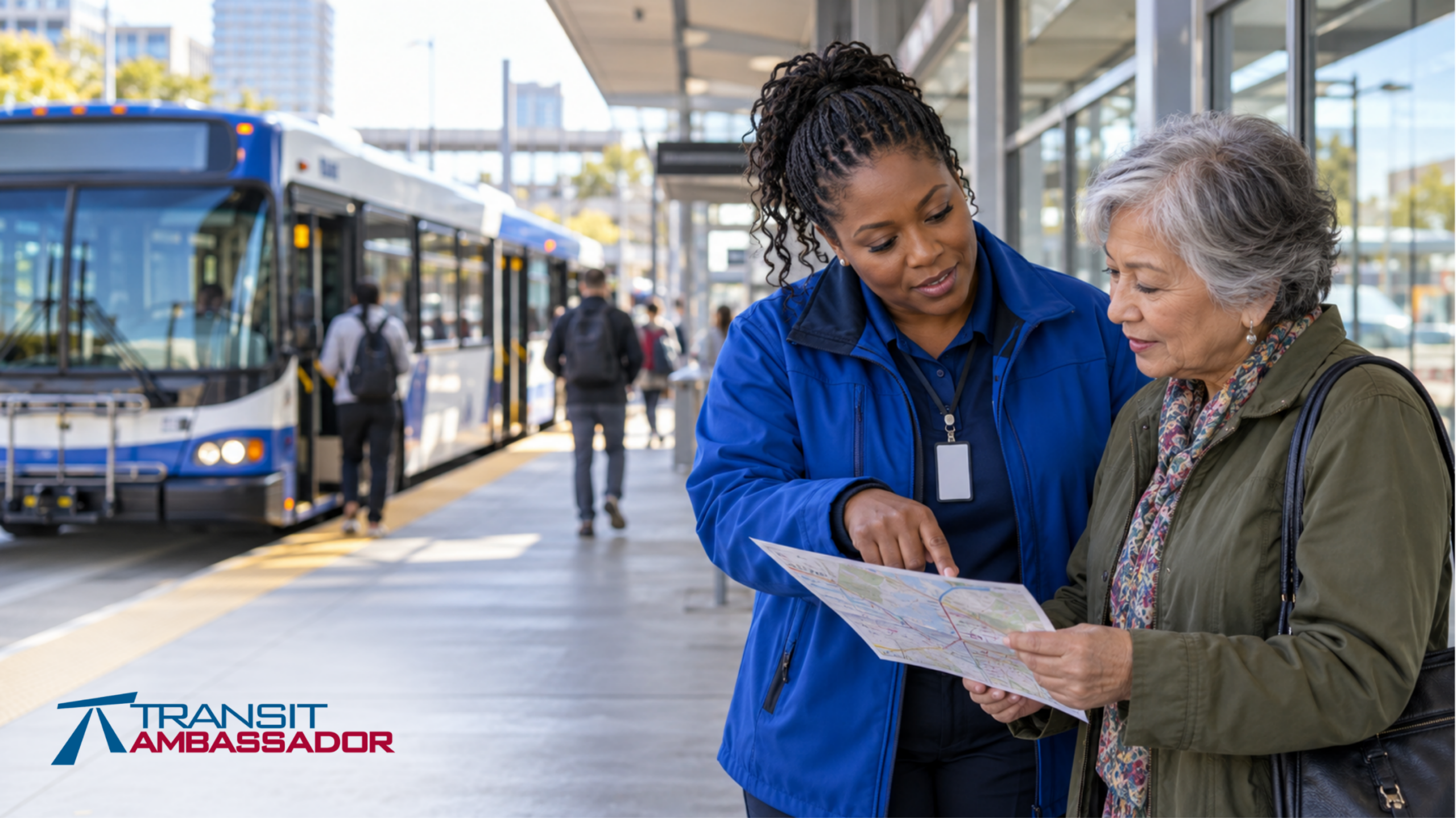
Transit ambassadors help build public trust by making the agency more visible, responsive, and accessible in the rider experience. They provide human support, answer questions, explain changes, listen to concerns, and reinforce the message that the agency is present and paying attention.
Trust is built in everyday moments
Public trust does not come from one campaign or one announcement. It is built through repeated interactions that show riders the agency is reliable, responsive, and respectful. A rider who gets help during a confusing transfer may remember that experience. A rider who receives clear guidance during a disruption may feel more confident using the system again.
Transit ambassadors support trust because they show up in the moments when riders are deciding how they feel about the system.
Visibility matters
When riders cannot find help, it can feel like the agency is absent even if many teams are working behind the scenes. Ambassadors create a visible presence that helps riders know where to turn. That visibility can be especially important in large stations, busy events, service change areas, and locations with frequent questions.
A visible, approachable ambassador does more than answer questions. They signal that the agency expects riders to need help and has planned for it. This human presence is part of how transit ambassadors support safer, more welcoming transit systems.
Trust grows when communication feels human
Transit agencies often have complex information to share. Routes, fares, schedules, accessibility options, construction impacts, safety guidance, and policy updates can all be difficult to explain. Riders do not always need more information; they need information that is easier to understand.
Ambassadors help translate agency communication into human conversation. They can explain updates in plain language, repeat key details, and adjust the explanation based on the rider’s question. That is a powerful trust-building tool.
For agencies reviewing how they share rider information, the National RTAP guide to communicating with the public provides practical guidance on communication channels and accessible information.
Ambassadors can help agencies listen better
Trust is not only about broadcasting information. It is also about listening. Ambassadors are close to the rider experience and can identify recurring questions, confusion points, complaints, and accessibility concerns. When agencies use that field insight, they can make smarter decisions about communication and service support.
This feedback loop helps riders feel represented. It also helps agencies move from assumptions to real-world understanding.
Agencies can connect these everyday insights with broader engagement efforts using the FTA’s resources on public involvement in transit decision-making.
Public trust supports long-term agency goals
When riders trust the system, they are more likely to use it, recommend it, and remain patient during challenges. Trust can also influence how the public responds to service changes, modernization projects, new technology, and agency messaging.
Transit ambassador programs support this long-term goal by making trust tangible. They give the agency a human presence in the rider journey and create more opportunities for helpful, respectful interaction.
Consistent preparation matters, too. Learn more about why Transit Ambassador training matters for a stronger transit workforce.
What this means for transit agencies
For transit leaders, the takeaway is clear: rider experience, workforce support, communication, and public trust are connected. When agencies invest in practical frontline support, they are not only improving individual interactions. They are building a stronger foundation for service quality, agency reputation, and long-term confidence in public transportation.
For agencies facing recurring rider concerns, exploring how frontline support can help reduce transit customer complaints is another practical step toward strengthening the rider experience.
FAQs
How do transit ambassadors build public trust?
They build trust by providing visible support, answering questions, explaining changes clearly, listening to riders, and helping the agency feel more accessible.
Why is public trust important for transit agencies?
Public trust affects rider confidence, agency reputation, acceptance of service changes, and the public’s willingness to rely on the system.
Can frontline support improve agency reputation?
Yes. Consistent, helpful frontline support can improve how riders perceive the agency, especially during stressful or confusing moments.
Call to Action
Transit Ambassador helps agencies turn trust-building from a message into a lived rider experience.
Visit www.transitambassador.org to learn how your agency can strengthen frontline communication, support riders, and build public confidence.